
The Best Surfing Guide: Fuerteventura
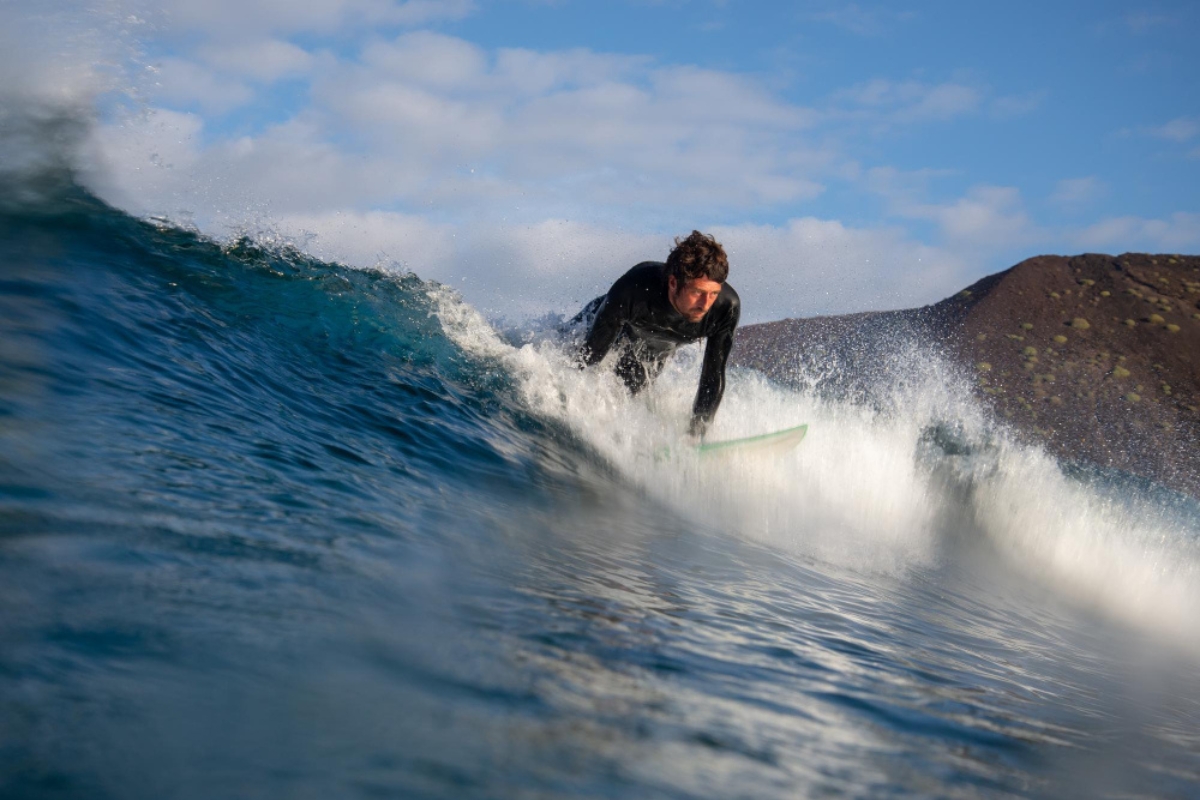
Surfing in Fuerteventura began in the 1970s, driven by local pioneers and visitors passionate about the ocean. Over time, and with the rise of tourism, the island has become an ideal destination for surfers of all skill levels. Today, surfing is part of the island’s identity, with numerous schools, surf spots, and a vibrant community—all while retaining the free-spirited and wild essence of its origins.
Table of Contents for Our Fuerteventura Surf Guide
The Best Beaches for Surfing in Fuerteventura
Fuerteventura is one of the most well-rounded surfing destinations in Europe, thanks to its stable climate, warm waters, and wide variety of waves year-round. The island offers spots for all skill levels, from gentle breaks for beginners to challenging barrels for advanced surfers.
El Cotillo
Located on the northwest coast, it’s one of the most popular surfing spots in Fuerteventura, with several breaks that break both right and left, some over mixed seabed. Suitable for those with some experience, this area usually has good wave conditions year-round. Plus, it’s the perfect way to end your session with an incredible sunset view from the cliffs.
Tide: Half tide
Wind: Northeast / North
Background: Sand and rock
Swell: Northwest
Difficulty: Intermediate and Advanced
Access: Easy, parking nearby
Location: The town of El Cotillo, northwest coast
Route: Multiple peaks
Length: Tall
Required swell: Moderate
Surfers: 10 to 20

Rocky Point (Corralejo)
This point break is ideal for improving your technique, with a long, smooth wave that allows you to perform a variety of maneuvers. It’s also one of the most accessible spots in Corralejo, and its consistency makes it a favorite among surf schools in Fuerteventura.
Tide: Low or medium
Wind: East / Northeast
Background: Volcanic rock
Swell: Northwest
Difficulty: Intermediate
Directions: On foot from Corralejo
Location: Northern part of Corralejo
Direction: Long Left
Length: Medium
Required swell: Small; it’s very consistent
Surfers: About 15.
Esquinzo Beach (La Pared)
Esquinzo is the perfect spot to start surfing in Fuerteventura . The wave is gentle and gains strength as it approaches the shore. Although getting there isn’t the easiest, it’s very popular with surf schools because of its safety and natural beauty. It’s perfect for a relaxing session and for enjoying the sunset reflected in the low tide.
Tide: Low
Wind: Northeast
Background: Sand and a few rocks
Swell: West / Northwest
Difficulty: Beginners
Access: On foot or by bike; 4×4 recommended
Location: Between Cotillo and Tindaya
Direction: Right and left
Length: Medium
Required swell: Small
Surfers: 10 to 15

Majanicho
Majanicho is a tiny village with a hidden gem for experienced surfers. Its left-hand wave breaks in a very technical way over a rocky bottom and performs best in powerful swells. It’s not the easiest to find, but it’s well worth the effort for those looking to push their limits— ideal for experienced surfers seeking more challenging maneuvers.
Tide: Medium
Wind: Northwest / Northeast
Background: Volcanic rock
Swell: Northwest / West
Difficulty: Advanced
Access: 4×4 vehicle recommended
Location: Between El Cotillo and Corralejo
Direction: Powerful left
Length: Tall
Required swell: Medium/high
Water Sports and Activities
Fuerteventura is a paradise for beach lovers, and surfing in Fuerteventura is one of the main reasons why so many people travel here.
Surf schools and board rentals:
The main coastal towns, such as Corralejo, El Cotillo, and Costa Calma, have numerous schools and shops where you can rent equipment, take lessons, or sign up for surf camps for all skill levels, from beginners to experts. If you’re thinking about taking up surfing, Fuerteventura is an ideal choice, as it combines good waves year-round with qualified instructors and a sporty atmosphere.
Windsurfing and kitesurfing:
Thanks to favorable winds, which are particularly strong between May and August, the island hosts international competitions such as the World Windsurfing and Kitesurfing Championships in Sotavento. There are also safe areas to learn and practice these sports with instructors, making surfing in Fuerteventura synonymous with variety and versatility on the water.
Snorkeling and Scuba Diving:
The seabed off Fuerteventura is remarkable for its marine life, featuring areas of volcanic reefs, caves, and schools of fish. Lobos Island is one of the most highly recommended spots for snorkeling or scuba diving, with calm waters and a rich biodiversity.
Boat Tours:
Trips are organized from various ports to cruise along the coast, watch dolphins and whales, go sport fishing, or simply enjoy the sea and an unforgettable sunset from the water. Many of these excursions include stops for swimming or having a drink on board.
Leeward
Although it’s world-renowned for windsurfing and kitesurfing, Sotavento also has its days for classic surfing when the southern swell rolls in. It’s ideal for those who are just starting out or want to practice longboarding without too much pressure.
Tide: High
Wind: Strong northeast wind
Background: Sand
Swell: South (occasional)
Difficulty: Beginners and longboarders
Access: Easy Location: Jandía Peninsula
Direction: Slight right turn
Length: Tall
Required swell: Rare but surfable southern swell
Surfers: Few
Punta Blanca
A spot highly regarded by those looking for a quiet session without too many people. The waves at Punta Blanca are great for practicing turns on a solid face, and although there’s some rocky bottom, it’s a fairly comfortable spot for surfers with some experience.
Tide: Medium
Wind: East / Northeast
Background: Sand and rock
Swell: Northwest
Difficulty: Intermediate
Access: Car + short walk
Location: Northern part of the island
Direction: Clean Right
Length: Medium
Required swell: Moderate
Surfers: Few
Fuerteventura offers much more than just waves: its laid-back atmosphere, volcanic landscapes, and vibrant surfing community make every session an unforgettable experience.

When is the best time to go surfing in Fuerteventura?
One of the reasons Fuerteventura is a surfer’s paradise is that it offers year-round surfing conditions. But if you’re planning your trip and want to find the best waves for your skill level, here’s a quick guide by season:
Fall and Winter (October through March)
This is the peak season for surfing in Fuerteventura, especially for intermediate and advanced surfers. Swells coming in from the North Atlantic are more frequent and powerful, which means spots likeEl Hierro, Rocky Point, and Majanicho are producing long, powerful, and more consistent waves. Temperatures remain pleasant (around 20°C), although the water may be cooler, so a 3/2 mm wetsuit will come in handy.
Spring and Summer (April through September)
Although the swell is less intense, this is the best time to learn to surf in Fuerteventura. The waves are gentler, perfect for beginners or families. Beaches like Esquinzo and El Cotillo are filled with surf schools and camps. Plus, there are more hours of daylight, and the atmosphere is very relaxed.
Helpful tip: If you want to surf with fewer people in the water, come between May and June or in late September, when the weather is still nice but the island is less crowded!
Practical Tips for Surfing in Fuerteventura
Whether this is your first surf trip or you’ve already surfed all over half of Europe, Fuerteventura has a few unique features you should know about before hitting the water. Here are some practical tips to help you make the most of your surfing experience in Fuerteventura:
Booties—absolutely a must
Many of the best-known waves (such as Majanicho and Rocky Point) break over a volcanic rock bottom. Wearing water shoes will help you avoid cuts and get in and out of the water more safely.
Watch out for the wind
The trade winds blow almost all year round, and although they make this place a kitesurfing paradise, they can make your session difficult if you don’t choose the right spot and time. The best conditions are usually early in the morning or at sunset, when there’s less wind and fewer people.
Discover the peak
Many spots have technical features, strong currents, or difficult entry points. If you’re not familiar with a spot, ask the locals or a nearby surf school. Most are happy to help, as long as you respect the spot and the local surfers.
Sun Protection, Seriously
The sun in Fuerteventura is intense, even when it’s cloudy. Use waterproof sunscreen, wear a wetsuit if you’ll be in the water for several hours, and don’t forget to drink plenty of water.
Plan Based on Forecasts
Check Windguru or Magicseaweed to see the swell, wind, and tides. You’ll save time and avoid disappointment!
Bonus Tip
Surfing in Fuerteventura is about so much more than just the waves. It’s also about nature, a great vibe, and a laid-back lifestyle. Go with an open mind and a willingness to learn, and you’ll come back wanting to do it all over again.

Where to Stay to Enjoy Surfing in Fuerteventura
One of the key factors in making the most of your surfing experience in Fuerteventura is choosing the right area to stay in. The island is long and narrow, and conditions vary greatly along the coast, so it all depends on what you’re looking for:
Corralejo (north)
- Perfect if you’re looking for a variety of dive sites (Rocky Point, Majanicho, El Muelle, El Hierro…).
- There are plenty of options for surf camps, hostels, surf schools, and equipment rentals.
- Great atmosphere at night and a great
- number of restaurants and stores.
El Cotillo
- More peaceful, bohemian, and laid-back.
- Very close to spots that are perfect for beginners and intermediate surfers.
- Perfect if you’re looking to unwind without giving up your daily surf.
- Some of the most beautiful sunsets in Fuerteventura.
- number of restaurants and stores.
Costa Calma / Sotavento (south)
- Recommended if you prefer a more natural setting or want to combine surfing with windsurfing or kitesurfing.
- Wide, less crowded beaches.
- Hotels, resorts, and even some schools to help you get started with surfing.
IMPORTANT: Be sure to rent a car. Some of Fuerteventura’s best surf spots are in remote locations and can only be reached by car (preferably a 4×4).

What to Pack for a Surfing Trip to Fuerteventura
If you’re planning a surfing trip to Fuerteventura, make sure to pack your backpack carefully. Here’s a helpful checklist so you don’t forget the essentials and can enjoy your trip to the fullest:
Technical information:
- 3/2 mm wetsuit (November through April) or a shorty for summer.
- Diving boots (essential for rocky bottoms).
- Wax suitable for warm water.
- Spare leash, extra fins, and a quick-fix repair kit if you bring your own board.
Protection and comfort:
- Water-resistant sunscreen, a hat, and sunglasses.
- Lip balm with SPF (yes, your lips can get sunburned, too).
- Towel, waterproof backpack, and reusable water bottle.
- Swimsuit, flip-flops, comfortable clothes, and something warm for the evenings.
Bonus:
- A camera or a GoPro if you want to record your sessions.
- Any books or guides for days off?
- A playlist to get you pumped up before you hit the water or to help you relax afterward.
And if you don’t want to bring your own board, that’s okay. At almost every beach with surf spots in Fuerteventura, there are shops or schools where you can rent all the gear you need by the hour or by the day.

How to Get Around Fuerteventura If You’re Going Surfing
Getting around Fuerteventura is an essential part of the experience if you want to make the most of the island’s various spots. Although the island isn’t very large, many of the best places to surf in Fuerteventura are somewhat far apart or require a vehicle for easy access. Here are the best options for getting around like a local surfer:
Car rental: a must if you’re going surfing
Without a doubt, the best (and most common) way to get around the island is to rent a car. It gives you complete freedom to go from one spot to another depending on the sea, wind, and tide conditions. In addition, many of the beaches where people surf (such as Majanicho or Playa de Esquinzo) are in areas with dirt roads or limited access, so a car is essential.
4×4 or a regular car?
If you’re only going to surf at more accessible beaches like El Cotillo or Corralejo, a regular car might be enough. But if you’re planning to explore more remote spots or those in the south, a 4×4 or SUV will give you peace of mind and open up many more possibilities.
Prices and Airlines
There are many car rental options available at the airport and in tourist areas. Local companies such as Cicar and AutoReisen usually offer good prices and flexible terms (no deductible, unlimited mileage).
Public transportation: not ideal for surfers
Fuerteventura has a few bus routes (called “guaguas”), but they don’t run very often and don’t go to the most interesting surf spots on the island. Also, they aren’t designed to carry surfboards, so they aren’t the most practical option if you’re traveling with gear or want to get around between beaches.
If you have no other choice and are staying in Corralejo or El Cotillo, you can get around a bit within those areas, but to reach beaches like Majanicho, La Pared, or Cofete, public transportation won’t be enough.
Bicycles and e-bikes: a great option in coastal towns
If you’re staying near the beach and don’t plan on traveling too far, renting a bike or e-bike can be a convenient and eco-friendly option for short trips. In Corralejo, for example, many surf schools and shops rent bikes with board racks. It’s a relaxing way to get to the nearest surf spot without worrying about parking.
Surf camps with transportation included
Many surf camps in Fuerteventura offer daily shuttles to the best spots, depending on the ocean conditions. If you don’t want to worry about routes, gas, or maps, this is an excellent option. They’ll pick you up at your lodging and take you straight to the best spot for surfing that day. It’s ideal if you’re just starting out or if you’re traveling alone and want to meet other surfers.
The Best of Fuerteventura: Unique Spots and Unforgettable Experiences
Fuerteventura is one of those destinations that captures your heart from the very first moment. Its mix of pristine beaches, volcanic landscapes, and a relaxed pace of life makes it the ideal place to unwind. Whether you’re looking for adventure, relaxation, or culture, this Canary Island has something for you.
Mild climate year-round
Thanks to its pleasant temperatures year-round, it’s perfect in both summer and winter.
An island to explore by car
Renting a car is the best way to explore every corner of Fuerteventura at your own pace.
A warm and welcoming local atmosphere
The friendliness of the people of Fuerteventura and their laid-back lifestyle make you feel right at home.

What to See in Fuerteventura: Endless Beaches, Dunes, and Desert Landscapes
Fuerteventura’s beaches are its greatest treasure. White sand, crystal-clear waters, and a constant breeze have turned the island into a paradise for surfers and water sports enthusiasts. No matter where on the island you stay, there will always be a beach nearby that will make you feel like you’re in paradise.
Sotavento Beach
Located on the Jandía Peninsula, it is known for its lagoon, which forms with the tide, and for being one of the best spots for windsurfing and kitesurfing. It’s a go-to spot for surfers in Fuerteventura, thanks to its steady winds and shallow waters, which make it ideal for both beginners and pros.
Cofete Beach
This wild spot is one of the most spectacular on the island. Although getting there isn’t easy (a 4×4 is ideal), the reward is a breathtaking landscape with hardly any sign of human presence. Cofete is also part of the charm of surfing in Fuerteventura, though it’s not for all skill levels: only the most experienced surfers dare to ride the waves here, in total harmony with nature…
El Cotillo
This small fishing village is home to tranquil coves with turquoise waters, perfect for relaxing. It also offers ideal spots for surfers in Fuerteventura, especially south of the village, where the waves are stronger. You can also enjoy a delicious meal overlooking the ocean at one of its restaurants serving fresh seafood.
The Great Beaches of Corralejo
Right across from the Dunes Natural Park, these beaches look like something out of a postcard. They’re long, open, and feature distinct areas: some are quiet and perfect for relaxing, while others are ideal for surfing in Fuerteventura. It’s a well-rounded spot, perfect both for spending the day and for catching waves when the swell is right.
La Concha Beach (Isla de Lobos)
Even though it’s on the tiny Isla de Lobos, this beach is a great place to go. You can get there by boat from Corralejo, and once you arrive, an almost untouched paradise awaits—perfect for disconnecting from the world. Although it’s not a typical surfing spot in Fuerteventura, it’s perfect for those looking for tranquility, snorkeling, and crystal-clear waters in total peace.

Charming Towns You Can’t Miss in Fuerteventura
Fuerteventura isn’t just about beaches—it’s also about history, culture, and tradition. Its villages preserve the essence of the Canary Islands, with traditional architecture and a tranquility that captivates visitors.
Antigua
Located in the center of the island, Antigua was for many years one of the most important towns on Fuerteventura. Here you can visit several restored windmills, symbols of Majorero’s agricultural past. One of the highlights is the Windmill Interpretation Center, which shows you how the power of the wind was used to grind grain. Also worth visiting is the Majorero Cheese Museum, surrounded by cactus gardens and a small farm with animals—ideal if you’re traveling with children.
Pájara
This town is known for the Church of Our Lady of Regla, whose stone facade, carved with geometric motifs, has given rise to many theories (some say it has Aztec or Mayan influences). Beyond its historical significance, Pájara has a serene atmosphere, with shaded streets and well-tended gardens. It’s the perfect place to take a cultural break if you’re heading to the southern part of the island.
Villaverde
Villaverde is a small northern town ideal for those seeking tranquility, great food, and proximity to nature. From here, you can set out on hiking trails to Calderón Hondo, a volcano with spectacular views. It’s a destination increasingly popular with travelers who want to get away from mass tourism while still staying well-connected to the key attractions of the north.
Tiscamanita
This little-known village is home to one of the island’s culinary treasures: its traditional olive press, where artisanal olive oil is produced. You can take a guided tour, learn about the production process, and, of course, take a bottle home as a souvenir. It’s a unique stop, but a very authentic one.
Tuineje
Although less touristy, this village has great historical significance as it was once the site of clashes between its former inhabitants and pirates. In the surrounding area, you’ll find farmland and remnants of traditional architecture. It’s ideal for those looking to discover a lesser-known side of Fuerteventura.

Puerto del Rosario: What to See in the Capital of Fuerteventura
The capital of Fuerteventura often goes unnoticed, but it has a few surprises in store.
Outdoor Sculptures
One of the most intriguing attractions in Puerto del Rosario is its collection of more than 100 sculptures scattered throughout the streets. Some are abstract, others realistic, and all are part of an urban museum that brings the city center to life.
Boardwalk
It’s the perfect place to take a walk at sunset, relax by the sea, or have a drink on a terrace. The views of the harbor, the boats, and the sea breeze create a very pleasant atmosphere, especially at the end of the day.
Unamuno House Museum
The writer Miguel de Unamuno lived on the island during his exile in 1924. The house where he lived is open to visitors and offers an intimate glimpse into his life and work, as well as providing insight into what life was like on the island at that time.
Shopping district and local bars
Puerto del Rosario is also a great place to shop, especially if you’re looking for local products, clothing made in the Canary Islands, or handicrafts. And if you feel like going out a bit at night, there are bars with live music and a youthful atmosphere.
La Oliva and Its Treasures: History, Culture, and Nature
Located in the north of Fuerteventura, La Oliva is one of the island’s most historic towns.
House of the Colonels
This 18th-century building was once the residence of the island’s former military governors. Restored and converted into a cultural center, it now hosts contemporary art exhibitions, guided tours, and cultural activities. Its Canarian colonial-style architecture is impressive.
Church of Our Lady of Candelaria
With its simple and elegant style, this church is another example of traditional Canarian architecture. Inside, you’ll find altarpieces and details that reflect the island’s popular piety.
Grain Museum – La Cilla
A small museum dedicated to grain farming and the importance of grain in Fuerteventura’s economy. A short but very interesting visit if you’re interested in rural history.
La Alcogida Ecomuseum
One of the most highly recommended places to visit to learn about what life was like in traditional Fuerteventura. It is a reconstructed village featuring traditional houses, workshops showcasing ancient crafts, and areas that recreate the daily life of the Majoreros. Ideal for families with children or for lovers of ethnography.

Betancuria: A Journey into the Past in the Heart of Fuerteventura
Betancuria was the island’s first capital, and even today it retains a historic atmosphere that makes it a must-see destination.
Charming historic district
The cobblestone streets, white houses with wooden doors, and flower-filled courtyards create an atmosphere that invites you to stroll at a leisurely pace. Every corner of Betancuria holds a story, and the best thing to do is let yourself wander without a map.
Church of Santa María
This imposing white church towers over the town center. Its history dates back to the 15th century, and it has been rebuilt several times following pirate attacks and earthquakes. The interior is simple yet beautiful, with carved wooden ceilings, antique altarpieces, and a sense of peace that envelops you as soon as you step inside.
Betancuria Archaeological Museum
If you’re interested in learning more about the island’s ancient inhabitants (the Majos), this museum is a must-see. It features original artifacts, tools, pottery, and informational panels that help visitors understand how the first settlers lived before colonization.
Nature and Viewpoints
Betancuria is located in a mountainous area, making it an ideal starting point for hiking trails. Nearby is the Morro Velosa Viewpoint, designed by the artist César Manrique. From here, spectacular views of the island’s interior unfold: a sea of arid hills, plains, and winding paths that seem straight out of another planet.
Local Cuisine
In Betancuria, you’ll find several charming restaurants where you can sample traditional dishes such as roast kid, blanched gofio, and Majorero cheese. Many have terraces with views of the mountains, turning a simple meal into a memorable experience.

Budget-Friendly Plans: Things to Do in Fuerteventura Without Spending a Lot
If you’re traveling on a tight budget, Fuerteventura has plenty of free or low-cost options to enjoy.
Hiking Among Volcanoes
Trails such as the Calderón Hondo in the north or the Montaña Roja in the south offer easy hikes with spectacular scenery. Climbing to the rim of a volcanic crater and gazing outat the Atlantic horizon is a priceless experience…and besides, it literally costs nothing.
Unforgettable Sunsets
Some of the best moments of the trip cost nothing. Places like the El Cotillo Lighthouse, La Pared, or the Sicasumbre Lookout offer sunsets that paint the sky orange and purple while the wind caresses your skin. Bring a snack and turn the moment into a picnic with a view.
Local Fairs and Markets
In towns like La Oliva, Lajares, and Corralejo, there are weekly markets where you’ll find local products, crafts, live music, and a very authentic atmosphere. Even if you don’t buy anything, strolling among the stalls and chatting with the artisans is a lovely way to connect with the island’s culture.
Beach Days in Unspoiled Spots
Many of the most spectacular beaches lack amenities, but they’re brimming with beauty. Places like Playa de Esquinzo, Águila, and Los Ojos are ideal for spending the day surrounded by nature, without spending more than the cost of your picnic.
Free or low-cost cultural tours
Some museums and cultural centers offer free admission or nominal admission fees. For example, the Cheese Museum in Antigua or the Grain Museum in La Oliva. These are ideal activities for windy days or if you’re looking for a cultural break between beach trips.
Corralejo Natural Park: Dunes, Sea, and Adventure
This park is one of Fuerteventura’s most iconic landscapes.
White sand dunes:
These dunes, formed by the erosion of seashells, create an almost surreal landscape, perfect for walking barefoot, taking photos, or simply taking in the surroundings. They are one of themost iconic sights that accompany many days of surfing in Fuerteventura, especially in the northern part of the island.
Protected flora and fauna:
Despite its arid appearance, the park is home to endemic and protected species, such as migratory birds, lizards, and plants adapted to water scarcity. It is a prime destination for birdwatchers and biodiversity enthusiasts, and a must-see for those who combine nature with sports, such as surfing in Fuerteventura.
Beaches with crystal-clear waters:
The beaches bordering the park are known for their fine, white sand and crystal-clear turquoise waters. They’re ideal for swimming, relaxing in the sun, or enjoying water sports like surfing and paddleboarding—or simply soaking up the laid-back atmosphere typical of Fuerteventura’s surf scene.
Easy access from Corralejo:
The park’s proximity to the town of Corralejo makes it easy to get there on foot, by car, or even by bike. It’s a perfect getaway for those staying in the area who want to enjoy nature without venturing too far, especially after an intense surfing session in Fuerteventura. You can also check out Famara Surf Academy on the neighboring island of Lanzarote.

Ideas for Enjoying the Great Outdoors in Fuerteventura
The climate and open spaces make the island perfect for outdoor activities.
Marked trails:
The island offers a network of well-marked trails that wind through a variety of landscapes, from volcanic plains to deep ravines and seaside cliffs. Some trails allow visitors to explore less touristy areas, connecting them with the island’s wildest side.
Bicycle Routes:
There are trails for all skill levels, ranging from leisurely family-friendly routes to challenging trails for experienced mountain bikers. As you ride, you can enjoy the tranquility of the surroundings, the ocean views, and the contrasts of the volcanic landscape.
Natural Lookout Points:
Places like the Guise and Ayose lookout points, or the Sicasumbre astronomical observatory, offer spectacular views and are ideal spots to stop and take in the scenery or snap a great photo, especially at sunrise or sunset.
Picnic areas:
Some natural parks and recreational areas are equipped with tables, benches, and shaded areas, making them ideal for stopping to eat surrounded by nature. They’re perfect for enjoying with a group or family, surrounded by tranquility.

Caves, volcanoes, and trails through lunar landscapes
The island’s geology will leave you speechless. There are places that look like they’re from another planet.
Cueva del Llano:
Located in Villaverde, this volcanic tube allows visitors to venture deep into the earth and learn about the island’s geological origins. The tour is guided and provides information on the underground fauna, such as the endemic blind opilion.
Calderón Hondo:
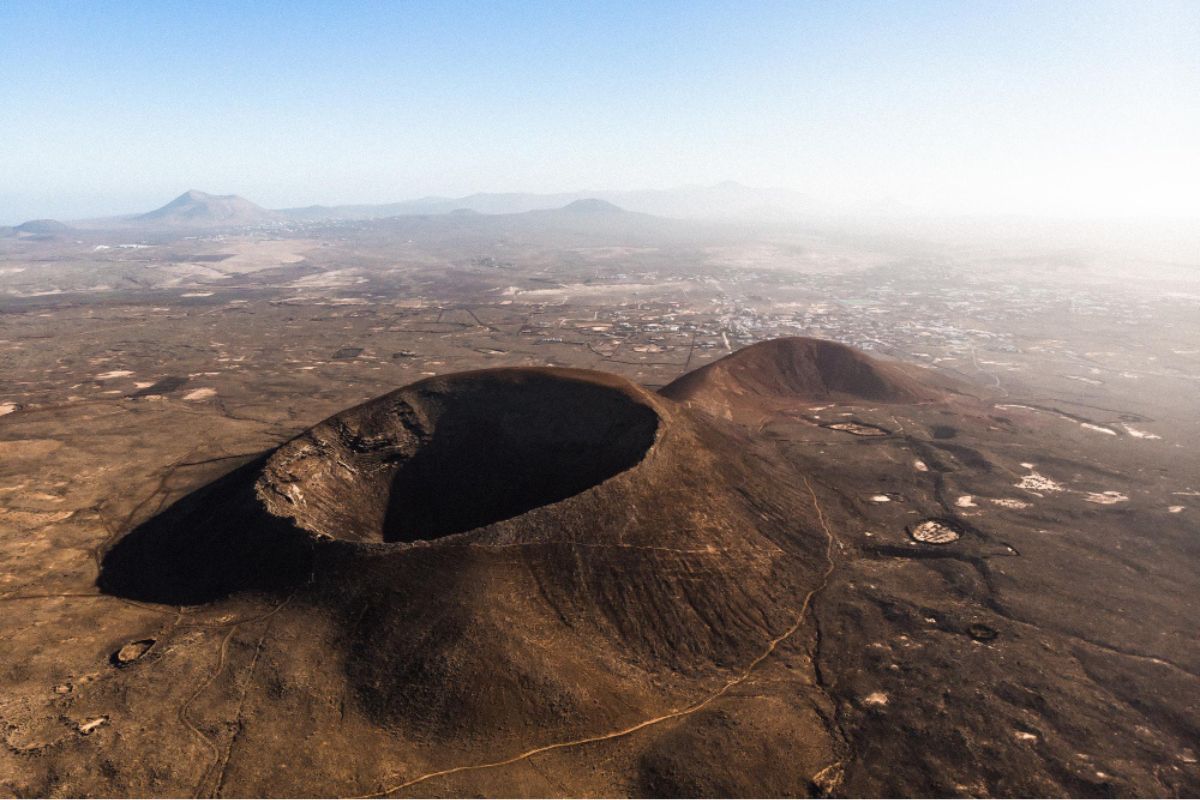
This extinct volcano, located near Lajares, features an accessible and well-marked loop trail. From its summit, you can enjoy a breathtaking panoramic view of the crater and northern Fuerteventura, with Lanzarote visible in the distance on clear days.
Barranco de los Encantados:
This intriguing geological site looks like a landscape sculpted by centuries of erosion. It is known for its fossil formations and its almost Martian appearance. It’s best to visit wearing appropriate footwear and during the soft light of early morning or late afternoon to enjoy the interplay of shadows and textures.
High-altitude viewpoints:
At spots like the Morro Velosa Viewpoint, designed by César Manrique, you can take in the vastness of the landscape of Fuerteventura, with its ochre hues, rolling hills, and scattered villages. It’s the perfect place to get a sense of the island’s geography at a glance.
Fuerteventura Flavors: What to Try in Fuerteventura
Fuerteventura’s cuisine is simple yet delicious, featuring high-quality ingredients and traditional recipes.
Majorero cheese:
This goat cheese has a Designation of Origin and is one of the island’s most iconic products. Its creamy or aged texture—depending on the aging period—is enhanced with toppings such as paprika, gofio, or oil, adding unique flavors. It’s ideal for enjoying on its own, in salads, or paired with a fine Canarian wine.
Wrinkled Potatoes with Mojo Sauce:
An iconic dish of Canarian cuisine, it is made with small potatoes cooked in sea salt until the skin wrinkles. They are served with red mojo (spicier) or green mojo (milder), and are the perfect accompaniment to meat, fish, or as a tapa.
Fresh fish:
At local restaurants, it’s easy to find native species such as the old man fish, the cherne, or the sama, grilled or baked with simple but delicious side dishes that bring out the flavor of the sea. Don’t miss the catch of the day in the coastal towns.
Gofio and stews:
Gofio, a toasted grain flour, is an ancestral food that is eaten in soups, with milk, or even in desserts. Potajes are stews made with legumes and vegetables that reflect the island’s agricultural tradition.

Leisure and Nightlife in Fuerteventura: Where to Go Out and Have Fun
Although it’s a quiet island, there are also things to do at night.
Corralejo:
It’s the heart of the island’s nightlife, with bars, pubs, and venues featuring live music where you can enjoy a drink by the sea, dance, or listen to local and international bands. There are also lively outdoor terraces for those who prefer a quieter evening.
Caleta de Fuste:
Although it’s geared more toward family tourism, it has restaurants and bars that stay open late. It’s the perfect place to have dinner by the harbor, enjoy live entertainment, or have a drink after a day at the beach.
Local events:
If you visit the island during a patron saint festival, cultural festival, or sporting event, you’ll find concerts, dances, and folk celebrations in the town squares. It’s a unique way to experience the most authentic side of life in Fuerteventura.
Night markets:
During the summer months, some towns—such as Corralejo, Morro Jable, and El Cotillo—host markets in the evening or at night. These are ideal places to buy handicrafts, sample local products, and enjoy a lively atmosphere under the stars.
Related articles

The history of surfing, how and where was it born?
BOOK NOW The history of surfing, how and where was it born? Knowing the history of surfing implies understanding why
The Best Surf Guide: Cantabria
Discover Cantabria, a surfing paradise where the sea merges with the mountains. This definitive guide takes you through its best waves, from Somo to Los Locos. Explore beaches for all levels, practical tips, local gastronomy and endless landscapes. Everything you need for your Cantabrian surftrip.

How are waves formed? Everything a surfer needs to know
BOOK NOW How are waves formed? Everything a surfer needs to know You may have wondered on more than one