
The Best Surf Guide: Cadiz
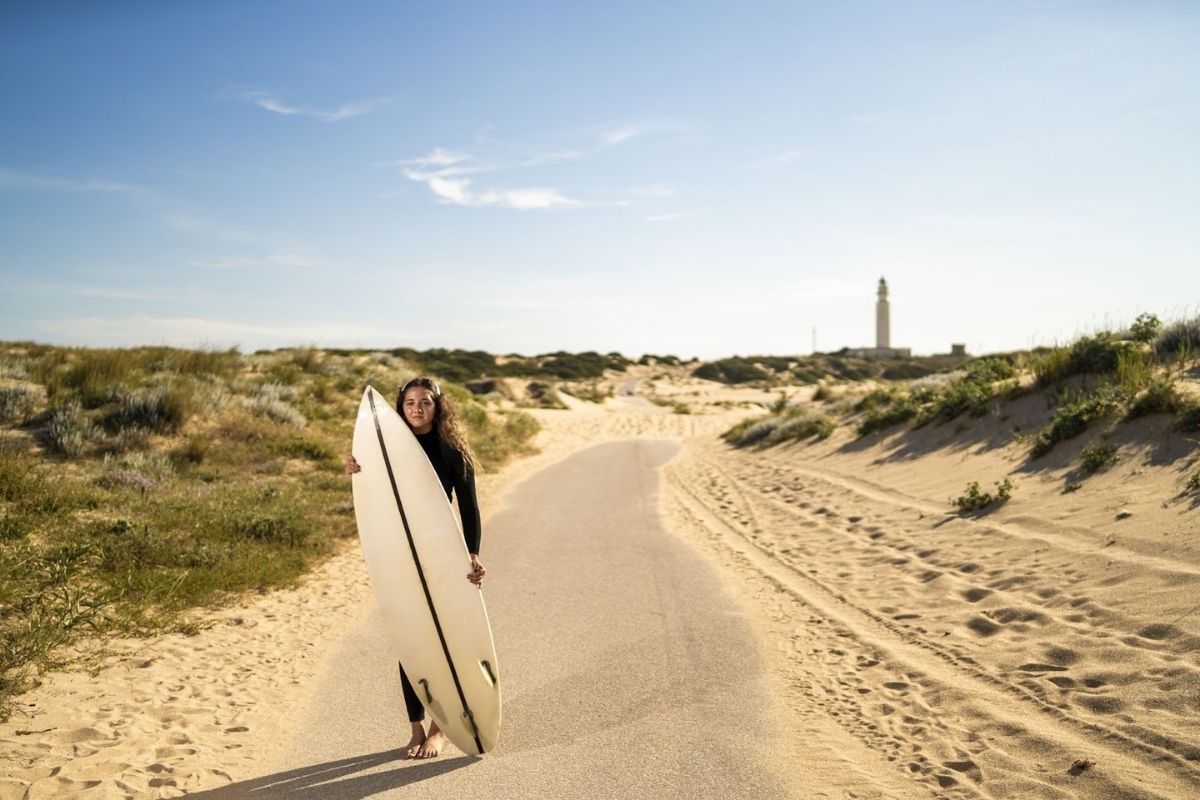
Cadiz is not only a city with history and beautiful beaches. It is open sea, clean horizon and miles of coastline where the wind and the Atlantic set the pace. Here the Atlantic enters without asking permission, moves the tides, changes the wind and decides how your day will be.
When you talk about surfing in Cadiz, you talk about variety. You talk about long beaches where you can learn with tranquility, more technical peaks when a good swell comes in and days when the wind changes the plan completely. Surfing in Cadiz is not just about getting in the water. It is to look at the sea while having breakfast, it is to decide if it is worth the 40 minutes drive for a better wave, it is to finish the day with a fried fish and sand still in your hair.
In this guide you will find everything you need to organize your surf trip in Cadiz with sense. We will review the best beaches for each level, when is the best time of the year to find consistent waves, how the Levante and Poniente influence in each area and what equipment is best to bring depending on the season.
If you are looking for a complete destination, with accessible waves, authentic atmosphere and a lot of sea ahead, Cadiz is a safe bet. Here you don’t need to get complicated, just a board under your arm, a desire for water and time to enjoy without haste.
Index of Our Cadiz Surf Guide
Cadiz: Where the Atlantic Ocean Sets the Rhythm
In Cadiz the sea is not a scenery, it is the protagonist. Surfing on this coast is to learn to observe, to understand when the wind commands the sea and when it stirs it up. Knowing that not all beaches work the same and that sometimes moving a few kilometers completely changes the session. That freedom of choice is part of the experience.
Cadiz has something very authentic: wide beaches, clean light, relaxed atmosphere and a sea culture that needs no artifice. Here surfing mixes with everyday life, with conversations on the promenade and long afternoons on the sand watching the next set.
More than a specific destination, it is a coast that you walk along and discover little by little. And when you connect with its rhythm, you understand that you don’t come here to look at the Atlantic, you come to live it.
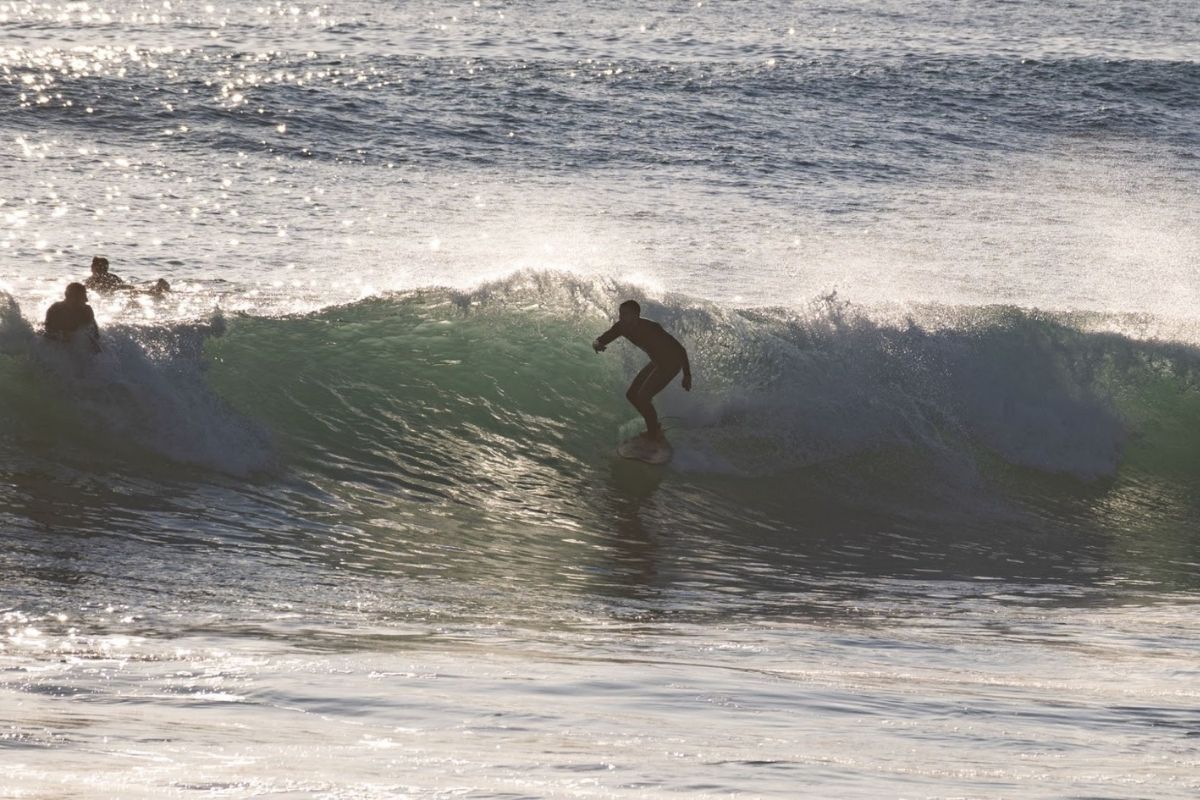
Surfing Competitions in Cádiz
Although Cadiz does not have a surfing circuit as large as other destinations it does host relevant and competitive events within the national calendar, both in traditional surfingboth in traditional surfing and other disciplines.
Open Surf Yerbabuena (Barbate)
One of the most consolidated and well known events in the province is the Open Surf Yerbabuenawhich is held every year at the Yerbabuena Beach (Barbate). This competition is part of the Surf Pro Spain leagueIt is an important event that attracts talent from all over Spain and offers a competitive atmosphere in a natural environment. It is an important event that attracts talent from all over Spain and offers a competitive atmosphere in a natural environment.
University Surfing Championships (El Palmar / Cádiz)
The University of Cadiz organizes events within the Spanish University Championships (CEU). which include surfing, generally at beaches such as El Palmar or nearby areas. This gives visibility to surfing within the local academic and sporting environment, and allows young surfers to compete officially under federated supervision.
Adaptive Surfing (Zahara de los Atunes)
Although it is a more specific event, in recent years the Spanish Adaptive Surfing Championship has also been held in Zahara de los Atunes. Spanish Adaptive Surfing Championship has also been held in Zahara de los Atunesshowing how the province hosts open and inclusive competitions.
In addition, although they are not surf strictu sensuCádiz hosts nearby board sports events, such as the Trafalgar Skim Contest (skimboard) in Barbate, which is part of the European skim circuit; and very active paddle surf and wingfoil competitions on beaches such as La Barrosa.
Surfing Culture in Cadiz
The surf culture in Cadiz has its own character, it is not very massive as in other corners of northern Spain, but it is local and authentic. local and authenticcombining beach tradition, outdoor life and active community.
Surfing as a way of life, not just a sport
In many beaches of the province, especially in El Palmarbut also in Santa María del Mar y Cortadura in Cádiz capital, there are constant surfers throughout the year. It’s not just about catching waves, it’s about sharing sessions, commenting with friends or greeting the same people you see every morning in the water. This generates a close and active community that you can breathe when you walk along the promenade or the areas near the water.
Networks and local groups
In the province there are also informal groups of surfers in social networks and forums where people meet to go surfing, organize meetings or share tips on waves, equipment and lesser-known places. This type of community provides a collaborative and open environment.
Diversity of disciplines
Although traditional surfing is strong, many surfers in Cádiz also practice other board sports such as skate surfing, paddle surfing, bodyboarding or modern variants such as wingfoil y foil. This mix makes the local surf culture varied and connects with different forms of sea life.
The Essential Surfing Beaches in Cadiz
El Palmar Beach (Vejer de la Frontera)
- Location: About 40 min drive north of Tarifa, on the coast of Vejer de la Frontera.
- Characteristics: Fine and extensive sand, with a beach break that can run along the entire length of the beach. It has numerous breaker sections depending on the direction of the swell and tide.
- How to surf: It is one of the most consistent beaches in Andalusia. With Atlantic swell it works well with different tides and usually offers clean and long waves, suitable for maneuvers. From small waves for beginners to more powerful sections for intermediate and advanced surfers.
- Typical conditions: Works best in autumn and winter with west or northwest swell; wind (especially levante) can mess up the sea, but with poniente the wave becomes orderly and gives very good sessions.
- Crowds: Medium-high on weekends and summer, but being so long there is room for everyone.
- Ideal for: Surfers of all levels looking for a consistent, progressive wave in a classic surfing environment.
Cortadura Beach (Cádiz city)
- Location: West of the city of Cadiz, accessible on foot or by bike from the center.
- Characteristics: Urban beach with sandy bottom and several areas where the sea breaks when there is swell. Shorter and more difficult to exploit than El Palmar, but very practical for being in the city.
- How to surf: With medium/high swell it can offer fun, clean waves, especially in the area closest to the breakwaters.
- Typical conditions: Best waves outside of summer with Atlantic swell; westerly wind causes more orderly conditions.
- Crowd: Medium; being urban, there may be locals surfing, especially at sunrise and sunset.
- Ideal for: Local surfers or visitors who want to surf without traveling far from Cadiz city.
Santa María del Mar Beach (Cádiz capital)
- Location: Approximately 50 min north of Tarifa, road to Barbate and Zahara de los Atunes.
- Characteristics: Very wide sandy bottom and long breakers when there is swell. Open space for different peaks along the beach.
- How to surf: On days with Atlantic swell the waves can break in an orderly and progressive manner, perfect for long sessions. It works with different tides.
- Typical conditions: Best outside summer with Atlantic swell; wind may affect, but with poniente it improves.
- Crowds: Medium; high season (summer) busier, off-season quieter.
- Ideal for: Surfers of all levels, especially intermediate intermediate surfers looking for long, clean sessions.
Zahara de los Atunes Beach (Zahara / Barbate)
- Characteristics: Mix of sandy and rocky bottom, with waves that broke both right and left.
- How to surf: Recommended for intermediate to intermediate or advanced because there are rocky areas and the waves are in good shape when the swell and tide fit. With offshore wind (gentle Levante) it can result in quality sessions.
- Typical conditions: Works best in rough seas and medium tides, and in offshore or light winds.
- Crowd: Less crowded than Los Lances or Valdevaqueros because more locals know it.
- Ideal for surfers experienced surfers looking for a wave with more technique and more technique and rhythm.
Los Caños de Meca Beach (Barbate / Caños)
- Location: About 50 min north of Tarifa, near Barbate and El Palmar (Costa de la Luz).
- Characteristics: Wide beach with a mixture of sand and areas with slightly more irregular bottom, which can create peaks with a certain shape depending on the swell and tide.
- How it surfs: Can offer fun waves when the swell is present; not always consistent like El Palmar, but on good days it responds well.
- Typical conditions: Improving with west/northwest swell and some westerlies to tidy water.
- Crowd: Low-medium; less well-known than El Palmar, ideal for seeking a quieter spot.
- Ideal for: Intermediate surfers who want variety and a less crowded environment.
La Fontanilla Beach (Conil de la Frontera)
- Location: In Conil, about 40-50 min north of Tarifa.
- Characteristics: Wide sand with varied breakers dependent on swell and tide.
- How to surf: Works with Atlantic swell; can offer clean sections but depends more on specific conditions.
- Typical conditions: Best out of summer with swell; poniente helps to leave more orderly conditions.
- Crowds: Medium; Conil is a popular summer destination, so it can get crowded, but the beach is wide.
- Ideal for: Intermediate surfers looking for another wide and accessible option near Conil.
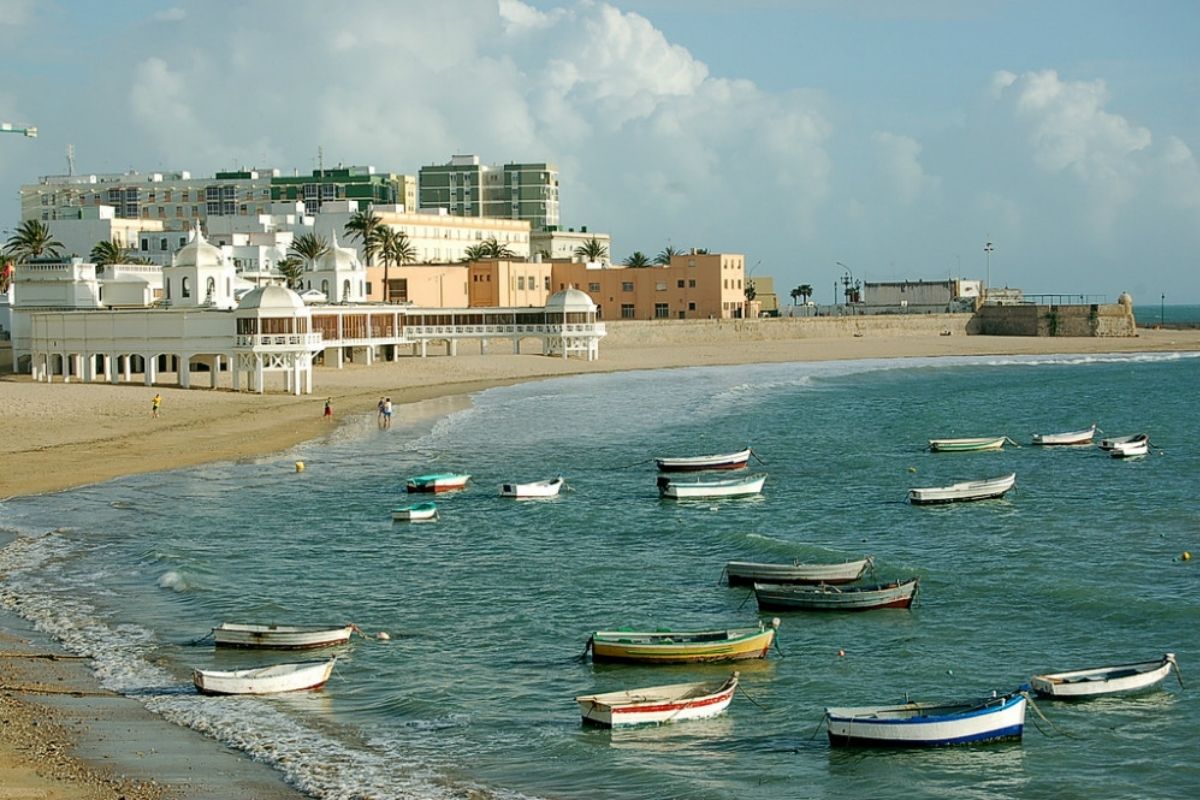
La Caleta Beach – Urban charm and gentle waves
- Location: In the heart of the old town of Cadiz, between the castles of San Sebastian and Santa Catalina.
- Characteristics: Small and sheltered beach, with fine sand and gentle waves, ideal for beginners and to enjoy a quieter surf.
- How to surf: La Caleta is perfect for those who want to practice basic maneuvers or just get familiar with the board. It is also a great spot for sunrise or sunset sessions, with views of the old town and the ocean.
- Typical conditions: It works best on medium tides and small to moderate waves. It is not a powerful beach break, but it is consistent and accessible.
- Crowds: Medium, especially in high season, but because of its size it never becomes completely saturated.
- Ideal for: Beginners, surfers looking for tranquility or those who want to combine surfing with a walk through the historic center of Cadiz.
Start surfing in Cádiz: local schools and surf camps
The coast of Cadiz has a good network of surf schools, many of them created by local surfers who know perfectly the behavior of the Atlantic, the winds of the area and the best tides to enter the water.
Outstanding schools:
South Coast Surf School – El Palmar
Located near the Palmar beach. South Coast is one of the best known schools in the area. It is located directly on the beach, in one of the most popular spots for surfing in Andalusia. They offer courses for all levels, from beginner to advanced, plus equipment rental and surf camps with accommodation.
Ideal for: Beginners and intermediates who want to learn on a beach with fairly consistent waves.
El Palmar Surf Club
Located on the promenade of El Palmar, Vejer de la Frontera. This school combines surf lessons with surf camps and accommodation for those who want to live a complete surf trip experience. Their instructors are certified and adapt classes according to the level of each student. They also offer board rental and complementary activities such as yoga or physical training for surfers.
Ideal for: Travelers who want to learn surfing and stay several days in a surfing environment.
On The Sea Surf Camp
Located near the Palmar beach. It is an active school since 2010 that organizes classes throughout the year. It offers private courses or small groups, equipment rental and surf camps with accommodation. They also work with large groups, schools or organized trips.
Ideal for: Those looking for more personalized lessons or organized surf camps.
Local schools in Cádiz (Santa María del Mar / Cortadura)
Located in the capital, near the Santa Maria del Mar and Cortadura beaches. In these urban beaches there are also small surf academies and surf stores that organize courses and equipment rental. They are places where many local surfers begin to practice.
Ideal for: People who want to learn surfing without leaving the city of Cadiz.
When to Surf in Cádiz: The Rhythm of the Atlantic
Surfing in Cadiz depends a lot on the time of the year. The Atlantic changes a lot between seasons and factors such as wind, swell or the amount of people in the water can make the difference between a normal session and a perfect day.
Fall (September – November)
For many surfers this is the best time of the year. More consistent swells start to arrive from the Atlantic, the wind is usually lighter and the beaches are much less crowded than in summer. The waves are usually in better shape and it is a very balanced season for most levels.
Winter (December – February)
This is when the Atlantic shows more power. Bigger and more constant swells arrive, especially in open beaches like El Palmar. There can be spectacular days, but also colder and more demanding, so it tends to be a season more enjoyed by surfers with some experience.
Spring (March – May)
Spring offers quite varied conditions. Some days there are still good swells coming in from the winter and the temperatures start to rise. There are not always big waves, but it is usually a nice time to surf without so many people in the water.
Summer (June – August)
It is the calmest season in terms of waves. The swell is smaller and the beaches are more crowded, but it is still a good time to learn to surf or improve your technique in milder conditions. In addition, the water is warmer and the atmosphere on the coast is very lively.
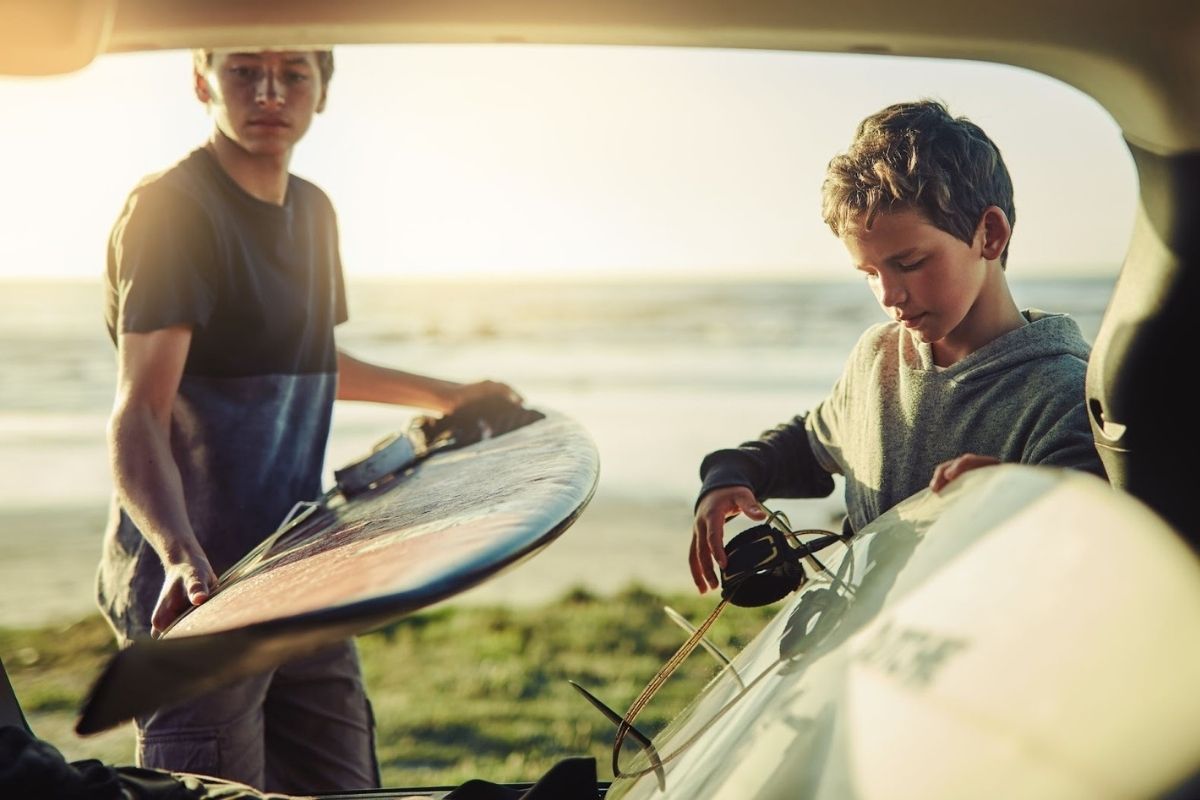
Cádiz Surfing Luggage: The Essentials
Table: Bring it or rent it?
If you already have your own board and have mastered it, it is worth bringing it, especially in autumn and winter, when the waves are more consistent. In summer or if you travel light, renting is the most comfortable option. In Cadiz there are several surf shops and schools where you can change boards depending on the conditions of the day.
Must-sees in Cádiz
- NeopreneDepending on the season, from 2/2 mm in summer to 4/3 mm in winter.
- Windbreaker or sweatshirtAtlantic wind can be constant and fresh.
- Poncho or changing matTo change comfortably at the beach without complications.
- Board waxWarm water in summer, cooler the rest of the year.
- Water-resistant sunscreenThe sun on the coast hits hard even in the off-season.
- Sunglasses with fasteningFor moments out of the water, when the wind blows hard.
Complementary activities to surfing in Cádiz
Paddle surf
Although it is not surfing with big waves, paddle surfing allows you to explore the coast from the sea, to explore quiet beaches and hidden coves. Perfect for days with gentle waves or to train balance.
Snorkeling and diving
Cadiz has incredible spots to discover the marine life of the Atlantic. Diving near cliffs or nature reserves can be a perfect plan after surfing.
Boat or kayak excursions
Walks to explore the coast of Cadiz, hidden coves and cliffs. In addition to enjoying the sea, you can observe wildlife such as dolphins and seabirds.
Skate surfing
Many surfers train out of the water with surfskate. In Cadiz and in nearby towns like Conil or El Palmar there are boardwalks and skateparks where you can practice turns, balance and technique when the sea is flat.
How to get around Cadiz to make the most of your surftrip
Car (the best option)
Having a car in Cadiz is almost essential if you want to surf in different places. The best beaches for surfing are spread along the coast. Like El Palmar, Conil, Zahara de los Atunes or Caños de Meca and many times the conditions change from one area to another. Being able to move around allows you to look for the beach where the wind and swell are working best that day.
Public transportation: possible, but with limitations
The main cities like Cadiz or Conil have bus connections to other towns along the coast. However, relying on public transport can be complicated if you want to move between different beaches depending on sea conditions. It is a viable option if you stay several days in the same area, but less flexible when looking for waves.
Bicycle (to move around within the same place)
In areas such as Cádiz capital, Conil or El Palmar, the bicycle is very practical to move around the town or get to the beach. Many surfers use it for short trips, especially if they are staying near the sea. It is a comfortable and quiet way to move around, as long as you do not have to travel long distances between beaches.
Cádiz beyond surfing: places not to be missed
Between sessions, Cadiz is also enjoyable out of the water. The province has a unique mix of white villages, natural parks, history and some of the most beautiful beaches in Andalucia. Whether the sea is flat or you just want to explore a little more, these places are well worth a visit.
Cádiz capital
One of the oldest cities in Europe. Getting lost in the historic center, strolling through the La Viña neighborhood or watching the sunset from the La Caleta is almost mandatory. It is also worthwhile to climb the Tavira Tower for a panoramic view of the entire city.
Vejer de la Frontera
One of the most beautiful white villages of Andalusia. Its narrow streets, whitewashed houses and viewpoints overlooking the countryside and the sea make it a perfect stop after surfing at El Palmar.
Bolonia and the ruins of Baelo Claudia
The beach of Bolonia is spectacular, but also there are the Roman ruins of Baelo Claudia, one of the best preserved archaeological sites of the peninsula. A place where history and nature blend in front of the Atlantic.
Trafalgar Lighthouse
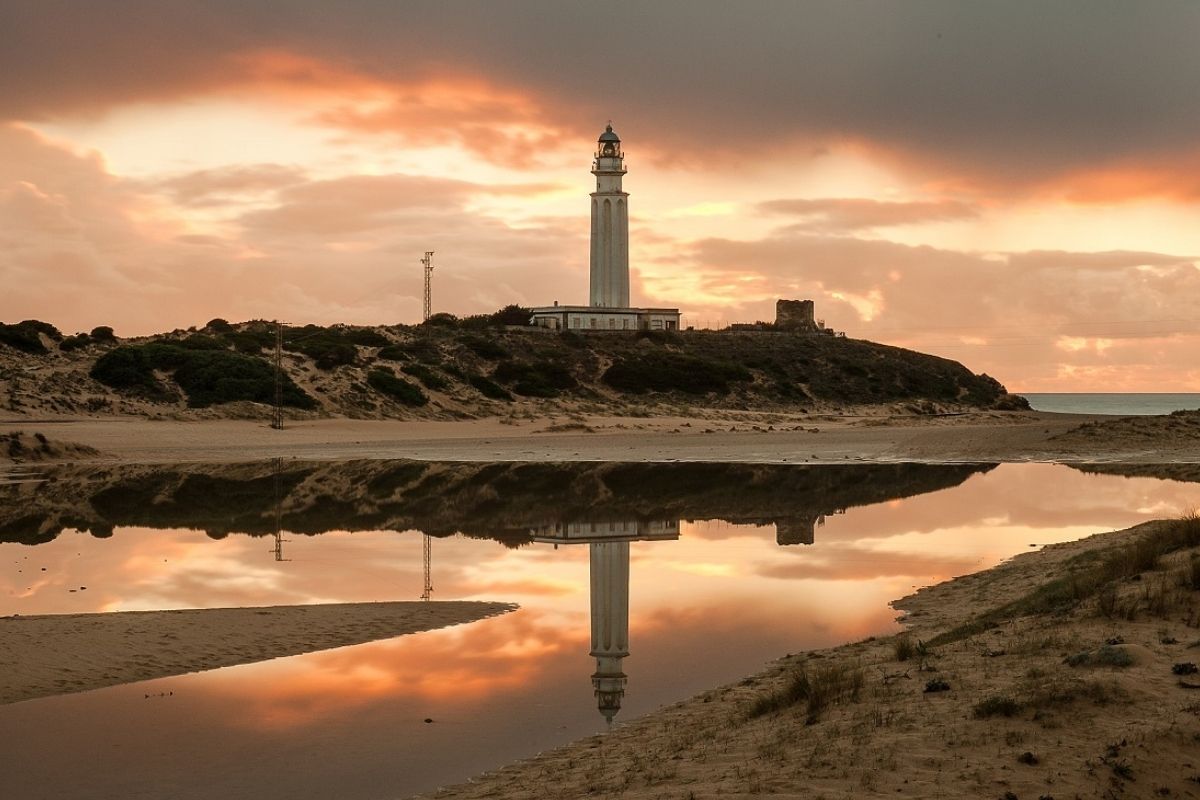
One of the most emblematic places of the coast of Cadiz. Located between Los Caños de Meca and Barbate, this lighthouse is surrounded by open beaches and nature. It is famous for its sunsets and for being close to the place where the historic Battle of Trafalgar took place. It is a perfect place to take a walk at the end of the day and enjoy the ocean.
Zahara de los Atunes
A coastal town with wide beaches and a relaxed atmosphere. It is famous for its gastronomy, especially for its red almadraba tuna, and for its long walks along the Atlantic.
Where to sleep on a surftrip around Cadiz
Surf camps and surf lodging:
If your idea is to surfing every day, meeting people and learningsurf camps are usually the most complete option. They usually include surf lessons, equipment, accommodation and activities.
- Take Surf School & Surfcamp
Organizes surf camps in El Palmar and Coniltwo of the most popular spots in the province. They include hostel accommodation, surf lessons, equipment and extra activities such as surfskate or yoga. - On The Sea Surf Camp
School that offers packages of surf + accommodationwith classes all year round and summer surf camps for different levels. - South Coast Surf School
School located directly on the beach of El Palmarone of the best areas in Andalusia to learn and improve your surfing. They also offer surf camps and accommodation.
Other Types of Lodging
If you prefer more freedom or to travel with friends, there are also other very common options on the coast.
- Hostels and surf hostels
In places like Conil, Cádiz capital or El Palmar there are hostels very oriented to surfers and young travelers. - Apartments and houses near the beach
Very common in towns such as Conil, Zahara de los Atunes or Los Caños de Meca.. They are a good option if you come for several days or in a group. - Campgrounds and camper areas
The Costa de la Luz has many campsites near the sea. It is an option widely used by surfers traveling by van.
Surfing tip in Cádiz
Book in advance in summer and autumn, when there are more travelers and better waves. Also, if you want to surf a lot, try to stay near El Palmar or Conil, because from there you can easily move to many of the best spots in the province.
Tastes of Cadiz: what to eat and where to eat after surfing
After a session in the Atlantic, few plans are more appealing than sitting down to a good meal. Cadiz has a gastronomy closely linked to the sea, with fresh fish, crispy fried food and traditional dishes that are part of everyday life on the coast. Eating here is not only to recover energy after surfing, it is also a way to get to know the local culture.
Typical food from Cádiz
- Pescaíto frito
Probably the most famous dish in the province. It consists of different small fish (such as anchovies, dogfish or cuttlefish) fried in olive oil and served very crispy. It is simple, but when it is well done it is spectacular. - Shrimp omelettes
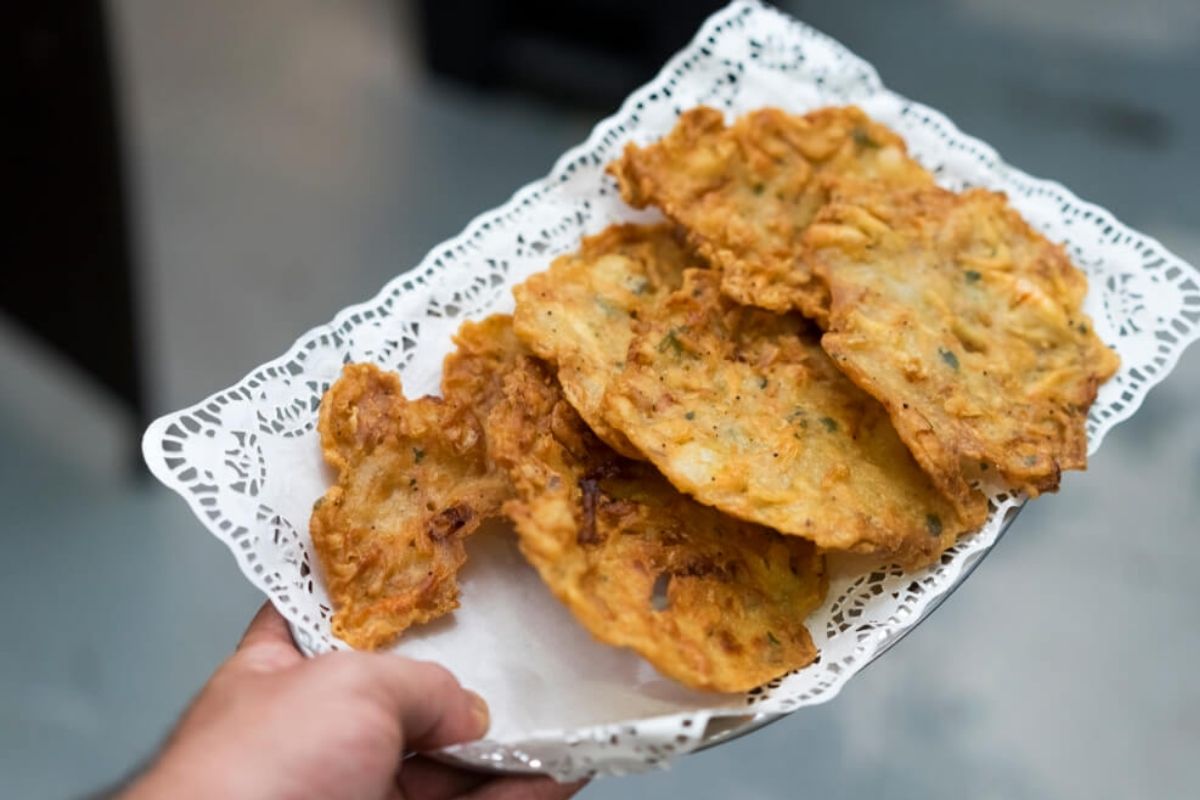
A very typical specialty of Cádiz. They are thin and crunchy pancakes made with flour, onion, parsley and small shrimps. They are usually served as a tapa and are one of the most characteristic flavors of the city. - Bluefin tuna from almadraba
Especially famous in areas such as Zahara de los Atunes or Barbate. Bluefin tuna is prepared in many ways: grilled, in tartar or in more elaborate dishes. - Fried coconuts
Cuttlefish are also very typical. They are usually served fried and accompanied with lemon juice. - Potatoes with seasoning
A simple but very traditional dish is potatoes cooked with olive oil, onion, parsley and sometimes mackerel or tuna.
Popular restaurants and sites in Cádiz that you can not miss
Casa Manteca (Cádiz capital)
A classic in the neighborhood of La Viña. Very famous for its traditional tapas and authentic Cadiz atmosphere.
Freiduría Las Flores (Cádiz)
One of the best known places to try fried fish. Perfect if you want something quick and typical.
El Campero (Barbate)
A very well known restaurant specialized in red tuna of almadraba. It is one of the best places to test this product.
La Fontanilla (Conil de la Frontera)
Restaurant in front of the sea very famous for its fresh fish and seafood.
Casa Juanito (Zahara de los Atunes)
Another well known place to try bluefin tuna and typical dishes of the area.
Cadiz: the end of the journey, the beginning of another one
And this is as far as this guide goes. A tour along a coastline where the Atlantic sets the pacewhere each beach has its own character and where surfing is part of a way of living the sea.
Cadiz is a coast that is understood little by little. A place where one day you decide to get up early to see the sea in silence, another day you travel for miles looking for better conditions and another day you simply stay on the sand watching the horizon. Here surfing is mixed with white villages, long sunsets, pescaíto frito (fried fish) and unhurried long conversations..
Perhaps after reading this guide you already have in mind your next session in your next session in El Palmara stroll through La Caleta at sunset or a trip to Bolonia or the Trafalgar Lighthouse. after surfing. And if that happens, then Because in the end, surfing in Cadiz is not just an activity. It is a way to walk along the coast, to understand the sea and to enjoy the time without haste..
And now it is, This is as far as we have come. End of this story and maybe the beginning of your own surftrip in Cadiz.
Related articles

Types of Surfboards and what they are used for (Materials and Measurements)
There are many types of surfboards, different sizes and materials for every need or skill level. Every self-respecting surfer should understand when to use each one and know how to differentiate one from another, this is something that we will teach you in our surf school in Lanzarote, but if you are looking for more information, we have prepared a complete guide for you to enjoy and you can access it whenever you want.

How are waves formed? Everything a surfer needs to know
BOOK NOW How are waves formed? Everything a surfer needs to know You may have wondered on more than one

The parts of a surfboard
BOOK NOW The parts of a surfboard Knowing what the parts of a surfboard are will mean acquiring specialized knowledge